
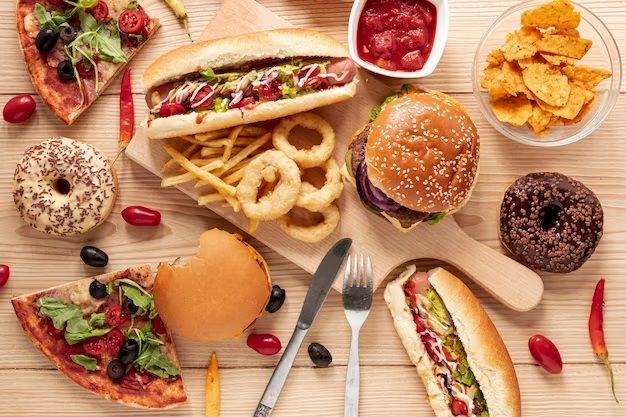

Junk food and fast food are terms often used interchangeably, yet they encompass distinct categories within the broader landscape of dietary choices. Junk food typically refers to items high in calories but low in nutritional value, often laden with sugars, unhealthy fats, and artificial additives. Examples include candy, chips, and sugary beverages.

On the other hand, fast food is a specific segment of the food industry characterized by quick service and convenience, often provided by chains like McDonald’s, Burger King, and Taco Bell. While fast food can include nutritionally poor items, it can offer healthier options depending on the menu. The rise of junk food and fast food can be traced back to the mid-20th century when industrialization and urbanization transformed eating habits.
The convenience of fast food appealed to a rapidly changing society where time was increasingly scarce. As a result, these foods became staples in many households, particularly in Western cultures. The proliferation of fast-food restaurants has changed how people eat and how they perceive food itself.
The emphasis on speed and convenience has led to a culture where meals are often consumed on the go, contributing to a shift in dietary patterns prioritizing immediate gratification over nutritional quality.
Key Takeaways
- Junk and fast food are highly processed, high in calories, and low in nutrients, often leading to overconsumption and health issues.
- The nutritional content and ingredients of junk food and fast food often include high levels of sugar, salt, unhealthy fats, and artificial additives.
- Fast food is convenient and quick to prepare but often lacks the nutritional value of home-cooked meals.
- Regular consumption of junk food and fast food can lead to obesity, heart disease, diabetes, and other health risks.
- Junk and fast food are widely available, heavily marketed, and often cheaper than healthier food options, contributing to widespread consumption.
Nutritional Content and Ingredients
The nutritional content of junk and fast food is a critical concern for health professionals and consumers. Junk food is notorious for its high refined sugars, unhealthy fats, and sodium levels. For instance, a typical serving of potato chips can contain over 150 calories with minimal vitamins or minerals, primarily offering empty calories that contribute little to overall health.
Fast food items often mirror this trend; a cheeseburger can contain over 300 calories, with significant amounts of saturated fat and sodium exceeding the daily recommended limits in just one meal. Ingredients in these foods often include preservatives, artificial flavors, and colorings designed to enhance taste and shelf life. For example, many fast-food chains use high-fructose corn syrup as a sweetener in their sauces and beverages, which has been linked to obesity and metabolic disorders.
Additionally, trans fats, which are commonly found in fried foods, have been shown to increase the risk of heart disease. The lack of whole grains, fruits, and vegetables in these diets further exacerbates nutritional deficiencies, leading to long-term health consequences.
Preparation and Serving Time
One of fast food’s defining characteristics is its rapid preparation and serving time. Fast-food restaurants have perfected the art of efficiency through streamlined processes that allow them to serve customers quickly. This is achieved through pre-cooked ingredients, assembly-line techniques, and standardized recipes that minimize cooking time.
For instance, once the patties are cooked and ready to go, a burger can be assembled in under a minute. This speed appeals to consumers who are often pressed for time, making fast food an attractive option for busy lifestyles. In contrast, junk food preparation varies widely depending on the product type.
Many junk foods are designed for immediate consumption without any preparation required. For example, snack foods like candy bars or pre-packaged chips can be eaten straight from the package without cooking or assembly. This convenience factor significantly influences their popularity, particularly among younger demographics who may prioritize quick snacks over more time-consuming meal options.
The ease of access to these foods contributes to their prevalence in daily diets.
Health Impacts and Risks
| Health Impacts and Risks | Metrics |
|---|---|
| Cardiovascular Disease | Heart attack and stroke rates |
| Respiratory Issues | Asthma and lung disease prevalence |
| Cancer | Cancer incidence and mortality rates |
| Mental Health | Depression and anxiety prevalence |
| Obesity | Obesity rates and related health complications |
The health impacts of consuming junk food and fast food are profound and multifaceted. Regular intake of these foods has been linked to a range of health issues, including obesity, diabetes, cardiovascular diseases, and even certain types of cancer. The high caloric density and low nutritional value create an environment conducive to weight gain.
For instance, studies have shown that individuals who frequently consume fast food are at a higher risk of developing insulin resistance, a precursor to type 2 diabetes. Moreover, the consumption of trans fats found in many fried fast-food items has been directly correlated with increased levels of LDL cholesterol (the “bad” cholesterol) and decreased levels of HDL cholesterol (the “good” cholesterol). This imbalance can lead to atherosclerosis—a condition characterized by the hardening of arteries—which significantly raises the risk of heart attacks and strokes.
Mental health is also affected; research indicates that diets high in processed foods may contribute to depression and anxiety disorders due to their impact on brain chemistry.
Accessibility and Availability
Accessibility plays a crucial role in junk food and fast food consumption patterns. In many urban areas, fast-food restaurants are ubiquitous, often within walking distance or easily accessible by public transportation. This convenience makes it easy for individuals to opt for quick meals rather than preparing healthier options at home.
In contrast, areas known as “food deserts,” where access to fresh produce and healthy foods is limited, often see higher rates of fast-food consumption as residents turn to available options that may not be nutritionally adequate. The availability of junk food is similarly widespread; vending machines stocked with snacks can be found in schools, workplaces, and public spaces. This constant exposure reinforces unhealthy eating habits from an early age.
Children growing up in environments saturated with junk food are more likely to develop preferences for these items over healthier alternatives. The normalization of fast food as a primary source of nutrition has significant implications for public health initiatives promoting more nutritious eating habits.
Marketing and Advertising Strategies
Targeted Marketing Strategies
The marketing strategies that junk food and fast-food companies employ are sophisticated and targeted, often designed to appeal to specific demographics. Advertisements frequently utilize bright colors, catchy jingles, and celebrity endorsements to connect emotionally with consumers.
Effective Advertising Techniques
For example, campaigns featuring popular cartoon characters or athletes can attract children’s attention, making them more likely to request these products from their parents. This approach targets the children and influences their parents’ purchasing decisions.
Psychological Pricing and Promotional Tactics
Moreover, promotional tactics such as value meals or limited-time offers create a sense of urgency that encourages impulse buying. Fast-food chains often employ psychological pricing strategies—such as pricing items at $0.99—to make meals appear more affordable than they are. This pricing strategy can increase sales and higher revenue for the companies.
The Power of Social Media Marketing
Social media has also become a powerful tool for marketing; platforms like Instagram and TikTok allow brands to reach younger audiences through visually appealing content that enticingly showcases their products.
Consumer Behavior and Preferences
Various factors, including taste preferences, convenience, price sensitivity, and social influences influence consumer behavior regarding junk food and fast food. Taste is often the primary driver; many individuals gravitate towards foods high in sugar or fat due to their immediate gratification effects on the brain’s reward system. This preference can lead to habitual consumption patterns that are difficult to break.
Convenience also plays a significant role in consumer choices; busy lifestyles often lead individuals to prioritize quick meals over home-cooked options. Price sensitivity cannot be overlooked either; many consumers view fast food as more economical than preparing meals at home or dining at sit-down restaurants. Social influences—such as peer pressure or cultural norms—can further reinforce these behaviors; for instance, group outings to fast-food establishments are common among friends or families seeking a casual dining experience.
Making Informed Food Choices
Given the pervasive presence of junk food and fast food in modern diets, making informed food choices becomes essential for maintaining health and well-being. Education plays a pivotal role; understanding nutritional labels can empower consumers to make better decisions when selecting products at grocery stores or restaurants. For example, recognizing high sodium or added sugar levels can prompt individuals to seek healthier alternatives.
Additionally, meal planning and preparation can significantly reduce reliance on fast food by encouraging individuals to cook at home using fresh ingredients. Individuals can create balanced meals that provide essential nutrients without excessive calories or unhealthy additives by prioritizing whole foods- such as fruits, vegetables, whole grains, and lean proteins. Engaging with community resources such as farmers’ markets or nutrition workshops can also foster healthier eating habits while supporting local agriculture.
Fostering a culture that values nutrition over convenience requires a collective effort from individuals, communities, and policymakers alike. By promoting awareness about the impacts of junk food and fast food on health outcomes, society can work towards creating environments that encourage healthier choices for all individuals.
FAQs
What is the difference between junk food and fast food?
Junk food is high in calories, sugar, and fat and low in nutrients. Fast food, on the other hand, is food prepared and served quickly in restaurants, typically with a focus on convenience and speed.
What are some examples of junk food?
Examples of junk food include candy, potato chips, sugary drinks, and processed snacks like cookies and pastries.
What are some examples of fast food?
Examples of fast food include burgers, fries, pizza, fried chicken, and sandwiches from popular chains like McDonald’s, KFC, and Subway.
How are junk food and fast food similar?
Both junk food and fast food are often high in calories, sugar, and fat and can contribute to health issues like obesity and heart disease when consumed in excess.
How are junk food and fast food different?
The main difference is that junk food refers to the nutritional content of the food, while fast food refers to the speed and convenience of its preparation and service. Fast food can be healthy or unhealthy, while junk food is always harmful due to its low nutritional value.
