
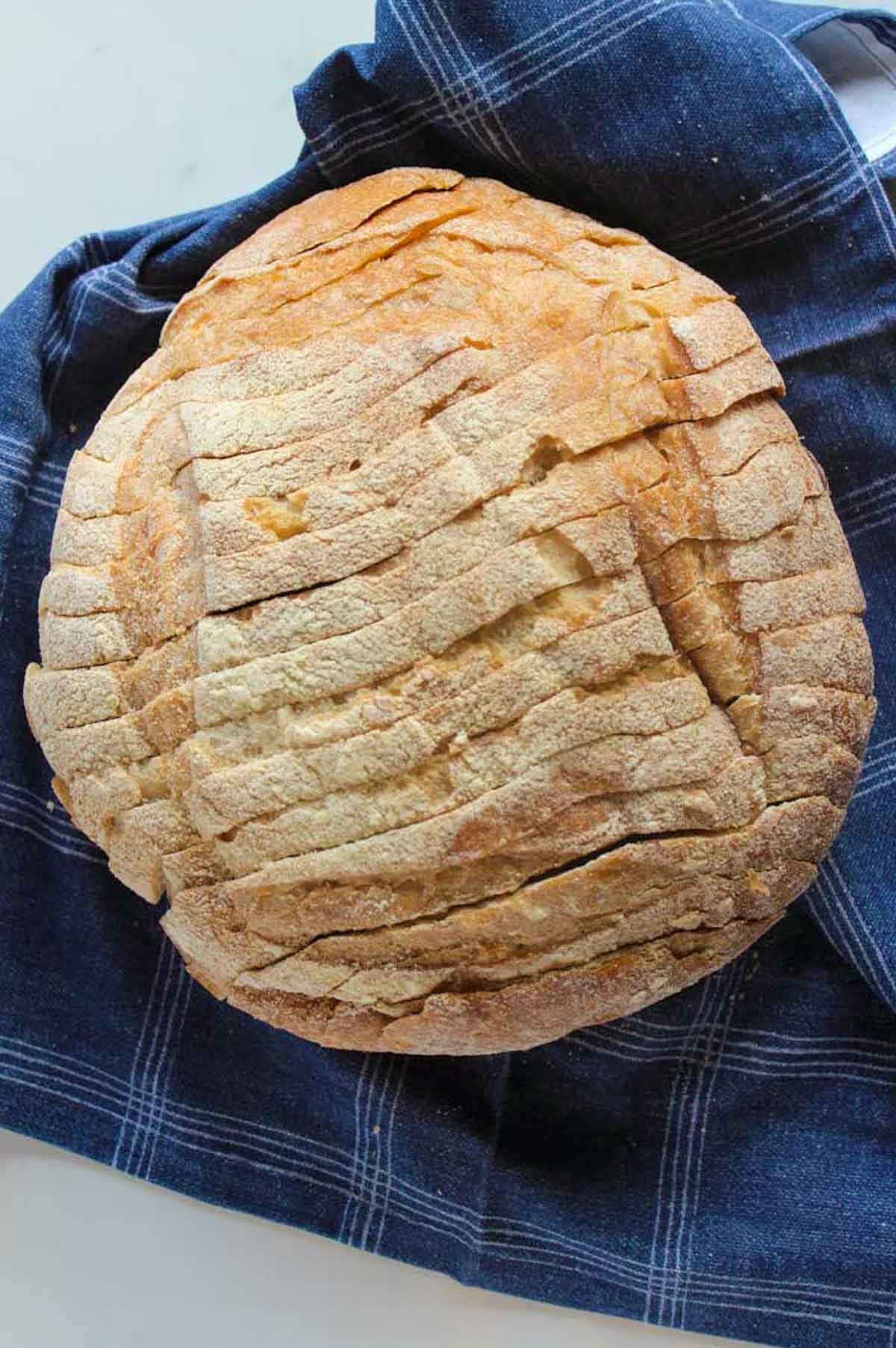

A sourdough starter is a mixture of flour and water fermented by wild yeast and bacteria. It is used as a leavening agent in bread making, providing the rise and flavor characteristic of sourdough bread. The wild yeast and bacteria in the starter feed on the sugars in the flour, producing carbon dioxide gas and lactic acid. This fermentation process gives sourdough bread its distinct tangy flavor and chewy texture.
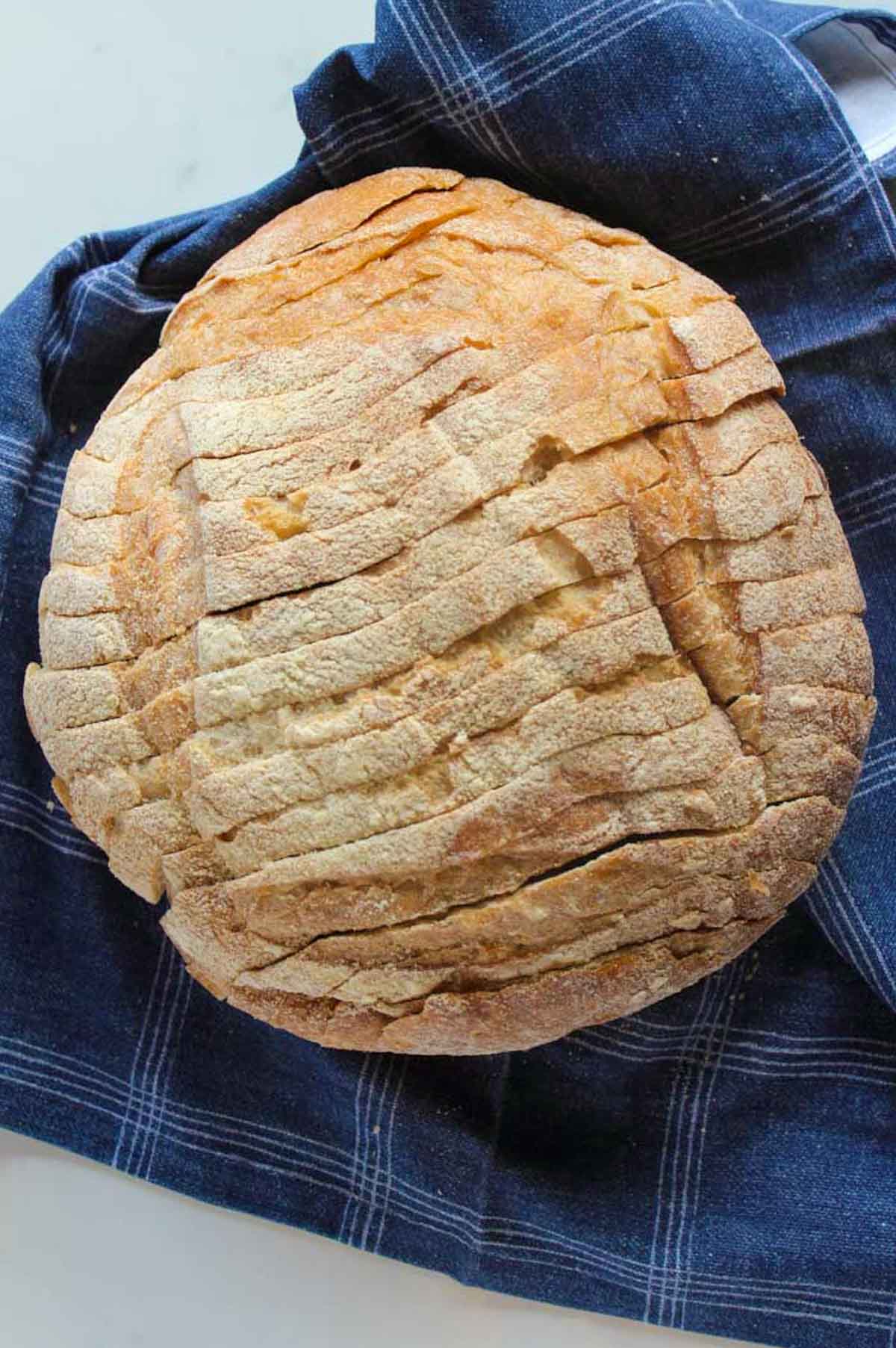
Sourdough starters are often called “living” because they contain a community of microorganisms that need to be fed and maintained to stay active and healthy. This means the starter must be regularly refreshed with fresh flour and water to keep the yeast and bacteria alive and active. Without regular feeding, the microorganisms will become dormant or die off, resulting in a non-active or “dead” starter.
What Happens When You Freeze a Sourdough Starter?
Freezing a sourdough starter can positively and negatively affect its texture, flavor, and activity. The freezing process can slow down the activity of the yeast and bacteria, effectively putting them into a state of hibernation. This can be beneficial if you need to put your sourdough baking on hold for some time, as it allows you to preserve your starter without feeding it constantly.
However, freezing can also cause some changes in the texture and flavor of the sourdough starter. The ice crystals that form during freezing can damage the cell walls of the yeast and bacteria, leading to a loss of activity. This can result in a less active starter that may take longer or may not rise as much as before. Additionally, freezing can also affect the flavor profile of the starter, sometimes resulting in a more muted or less pronounced sour flavor.
Can You Freeze a Sourdough Starter Successfully?
While freezing a sourdough starter can be a convenient way to preserve it, some factors should be considered before doing so. One of the main considerations is the starter’s age and health. It is generally recommended to freeze a mature and active starter, as this will increase the chances of it surviving the freezing process and being able to revive it later on. If your starter is relatively new or struggling, it may not be the best candidate for freezing.
Another factor to consider is the frequency of your sourdough baking. If you bake sourdough bread regularly, it may not be necessary to freeze your starter, as you can maintain it by feeding it regularly. However, if you only bake occasionally or need to take a break from baking for an extended period, freezing can be a good option to preserve your starter.
How to Prepare Your Sourdough Starter for Freezing
Before freezing your sourdough starter, it is important to prepare it properly to increase its chances of survival. Here is a step-by-step guide on how to prepare your sourdough starter for freezing:
1. Feed your starter: Ensure it is active and healthy with fresh flour and water. Allow it to ferment and rise until it is at its peak activity.
2. Divide your starter: Divide your starter into smaller portions suitable for your needs. This will make it easier to thaw and revive smaller amounts of starter when needed.
3. Dry out the starter: Spread the divided portions onto a non-stick surface, such as a silicone mat or parchment paper. Allow the starter to dry out completely at room temperature. Depending on the humidity levels in your environment, this can take anywhere from a few hours to a couple of days.
4. Package the dried starter: Transfer it to airtight containers or resealable bags once the starter is completely dry. Label the containers with the date and any other relevant information.
5. Store in the freezer: Place the packaged dried starter in the freezer and ensure it is kept at a consistent temperature. Avoid placing it near the door or in areas prone to temperature fluctuations.
The Best Way to Freeze a Sourdough Starter
You can use a few different methods to freeze your sourdough starter, but one of the most recommended ways is to freeze it in its dried form. This method helps to preserve the starter’s activity and flavor profile. Here is a step-by-step guide on how to freeze your sourdough starter:
1. Follow the steps outlined in section IV to prepare your sourdough starter for freezing.
2. Transfer the starter to airtight containers or resealable bags once the starter is completely dry. Label the containers with the date and any other relevant information.
3. Place the packaged dried starter in the freezer and keep it at a consistent temperature. Avoid placing it near the door or in areas prone to temperature fluctuations.
4. When ready to use the frozen starter, remove the desired amount from the freezer and allow it to thaw at room temperature.
How Long Can You Keep a Sourdough Starter in the Freezer?
The shelf life of a frozen sourdough starter can vary depending on several factors, including the starter’s age and health and how well it was prepared for freezing. Generally, a properly frozen and stored sourdough starter can be kept in the freezer for up to 6 months without significant loss of activity or flavor.
However, it is important to note that over time, the activity of the yeast and bacteria in the starter may decrease, resulting in a less active starter. To ensure the best results, it is recommended to use the frozen starter within the first few months of freezing.
How to Thaw a Frozen Sourdough Starter
Thawing a frozen sourdough starter is a relatively simple process, but it is important to do it correctly to avoid damaging it. Here is a step-by-step guide on how to thaw your frozen sourdough starter:
1. Remove the desired amount of frozen starter from the freezer and transfer it to a clean container.
2. Allow the starter to thaw at room temperature. Depending on the size of the portion and the temperature in your environment, this can take anywhere from a few hours to overnight.
3. Once the starter is completely thawed, give it a good stir to rehydrate any dried bits and distribute any liquid that may have separated during freezing.
4. Following your usual feeding ratio, Feed the starter with fresh flour and water. Allow it to ferment and rise until it is at its peak activity.
How to Revive a Frozen Sourdough Starter
Reviving a frozen sourdough starter involves feeding it and allowing it to regain its activity and strength. Here is a step-by-step guide on how to revive your frozen sourdough starter:
1. Follow the steps outlined in section VII to thaw your frozen sourdough starter.
2. Once the starter is completely thawed, give it a good stir to rehydrate any dried bits and distribute any liquid that may have separated during freezing.
3. Feed the starter with fresh flour and water, following your usual feeding ratio. For example, if you typically feed your starter with equal parts flour and water, feed it with 100 grams and 100 grams of water.
4. Allow the starter to ferment and rise until its peak activity. Depending on the temperature in your environment, this can take anywhere from a few hours to a day.
5. Repeat the feeding process for a few days, discarding a portion of the starter each time before feeding. This will help to strengthen and revive the starter.
Tips for Maintaining a Frozen Sourdough Starter
To ensure the longevity and health of your frozen sourdough starter, here are some tips for storing and maintaining it:
1. Use airtight containers or resealable bags to prevent moisture loss and freezer burn.
2. Label the containers with the date and any other relevant information to keep track of the starter’s age.
3. Store the frozen starter in a consistent temperature environment, away from areas prone to temperature fluctuations.
4. Avoid opening and closing the freezer frequently, as this can cause temperature fluctuations that can affect the quality of the frozen starter.
5. When thawing and reviving the frozen starter, follow the proper steps outlined in sections VII and VIII to avoid damaging or killing it.
Is Freezing Your Sourdough Starter Worth It?
In conclusion, freezing your sourdough starter can be a convenient way to preserve it when you need to take a break from baking or if you only bake sourdough bread occasionally. While freezing can have some negative effects on the starter’s texture, flavor, and activity, proper preparation and handling can help minimize these effects.
Ultimately, whether freezing your sourdough starter is worth it depends on your individual circumstances and baking habits. If you bake sourdough bread regularly and have no issues maintaining an active starter, freezing may not be necessary. However, if you need to take a break from baking or want a backup starter supply, freezing can be a viable option.
It is important to note that freezing is not a foolproof method. There is always a risk that the starter may not survive or may not regain its full activity after thawing. Therefore, it is recommended to freeze a mature and active starter and properly prepare and handle it to increase its chances of survival.
